
Restoring the Night Sky
Earth & Sky Restoration are one in the same.
Protect the dark. Restore the stars. Support life after sunset.
Restoration doesn't end when the sun goes down.
A healthy environment includes not only the land beneath our feet, but also the darkness above us. For billions of years, life on Earth evolved with bright days, dark nights and the predictable rhythms of sunrise, sunset, moonlight and stars.
Today, artificial light has changed that relationship to a devastating degree in many places.
Earth & Sky Restoration asks a simple question:
What could we restore if we began treating natural darkness as part of the environment worth protecting?
Darkness Is Habitat
We often think about habitat as the forests, wetlands, gardens, rivers and fields.
But darkness is habitat, too.
Moths and other nighttime pollinators depend on it. Bats hunt beneath it. Migrating birds navigate through the night. Insects, amphibians and countless other species have biological rhythms shaped by the natural cycle of light and darkness.
Protecting habitat therefore means considering what happens after sunset as carefully as what happens during the day.
Restoring darker nights doesn't mean eliminating all outdoor lighting.
It means learning to use light where we need it, when we need it and in ways that reduce unnecessary impacts on the world around us.
Bring Back the Stars
For much of human history, looking upward meant seeing a sky filled with stars.
The night sky connected generations through navigation, storytelling, science, art, wonder and curiosity.
For many people today, much of that sky has disappeared behind artificial glow.
But unlike many environmental challenges, light pollution can be remarkably reversible, in some cases even immediately.
Turn off an unnecessary light.
Shield another downward.
Choose warmer, lower-intensity lighting.
Use timers or motion sensors instead of leaving lights on throughout the night.
Small changes multiplied across homes, businesses and communities can work together to make an even larger visible difference.
The stars are still there waiting for us to see them.
Sometimes restoration simply means allowing ourselves to see them again, allowing that light to return.
Protect Life After Sunset
A thriving landscape doesn't go to sleep when we do.
After dark, another community becomes active.
Bats take flight. Moths visit flowers. Owls take flight. Frogs call from wetlands. Whip-poor-wills fill summer nights with their distinctive voices. Fireflies signal across summer fields, forests and gardens. Nocturnal insects emerge, and countless relationships unfold in the darkness that we rarely have the opportunity to witness.
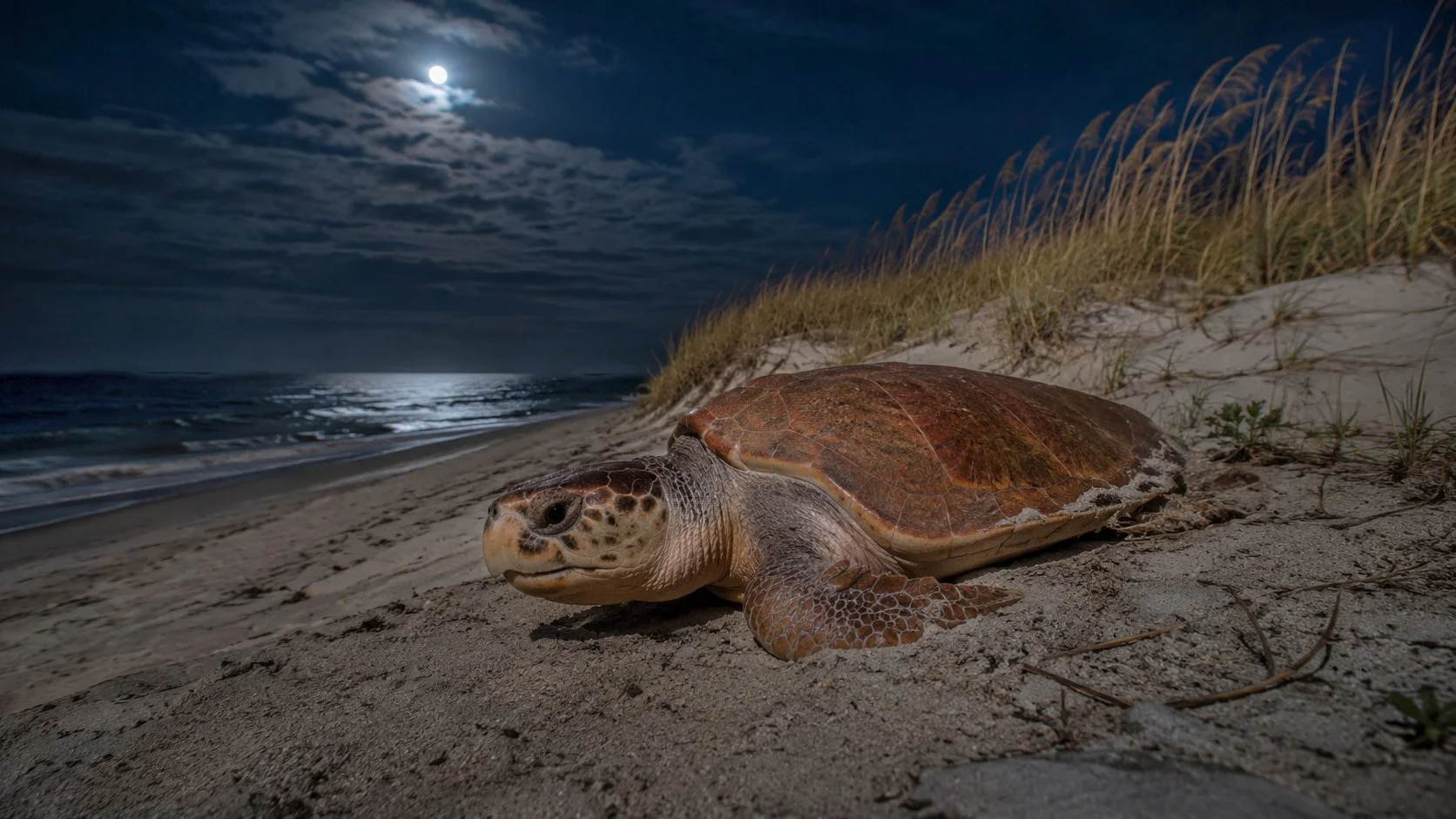
And the importance of natural darkness reaches far beyond our backyards. Along the coast, sea turtles depend on dark beaches and natural light cues as hatchlings make their way toward the ocean. Migrating birds travel beneath the night sky, while whip-poor-wills, bats, moths, fireflies, frogs and other amphibians rely on natural cycles of light and darkness for navigation, communication, feeding and reproduction. Even familiar daytime species such as monarch butterflies live by biological clocks shaped by natural patterns of light and dark. When artificial light overwhelms those rhythms, the effects can ripple through entire ecosystems.
That nighttime world is part of the same living system we protect through regenerative gardens, wildlife habitat and pollinator conservation.
This is why restoring the night sky belongs within the larger Caprician vision of restoration.
Healthy soil below us.
Living habitat around us.
Dark skies above us.
All of it is connected.
Responsible Lighting
Restoring darkness does not require returning our communities to complete darkness.
It means becoming more thoughtful about light.
Whenever possible:
• Use outdoor lighting only where it is actually needed.
• Direct light downward instead of into the sky or surrounding habitat.
• Choose warm, lower-intensity lighting.
• Use timers, dimmers and motion sensors.
• Turn lights off when they are no longer needed.
• Avoid unnecessary all-night illumination around gardens and wildlife habitat.
Better lighting can help us maintain the visibility and safety we need while reducing wasted light and protecting the natural night.
Where Earth Meets Sky
The night sky isn't separate from our work on the ground.
Regenerative gardening, wildlife habitat, pollinator protection and responsible lighting intersect after sunset.
A garden designed for butterflies during the day can also support moths at night.
A wildlife sanctuary protected from chemicals can benefit further when unnecessary artificial light is reduced.
A community working to restore native habitat can also consider the darkness that habitat needs.
Earth restoration and sky restoration are part of the same conversation.
Photography, Wonder & the Night
Sometimes protecting something begins with remembering why we love it.
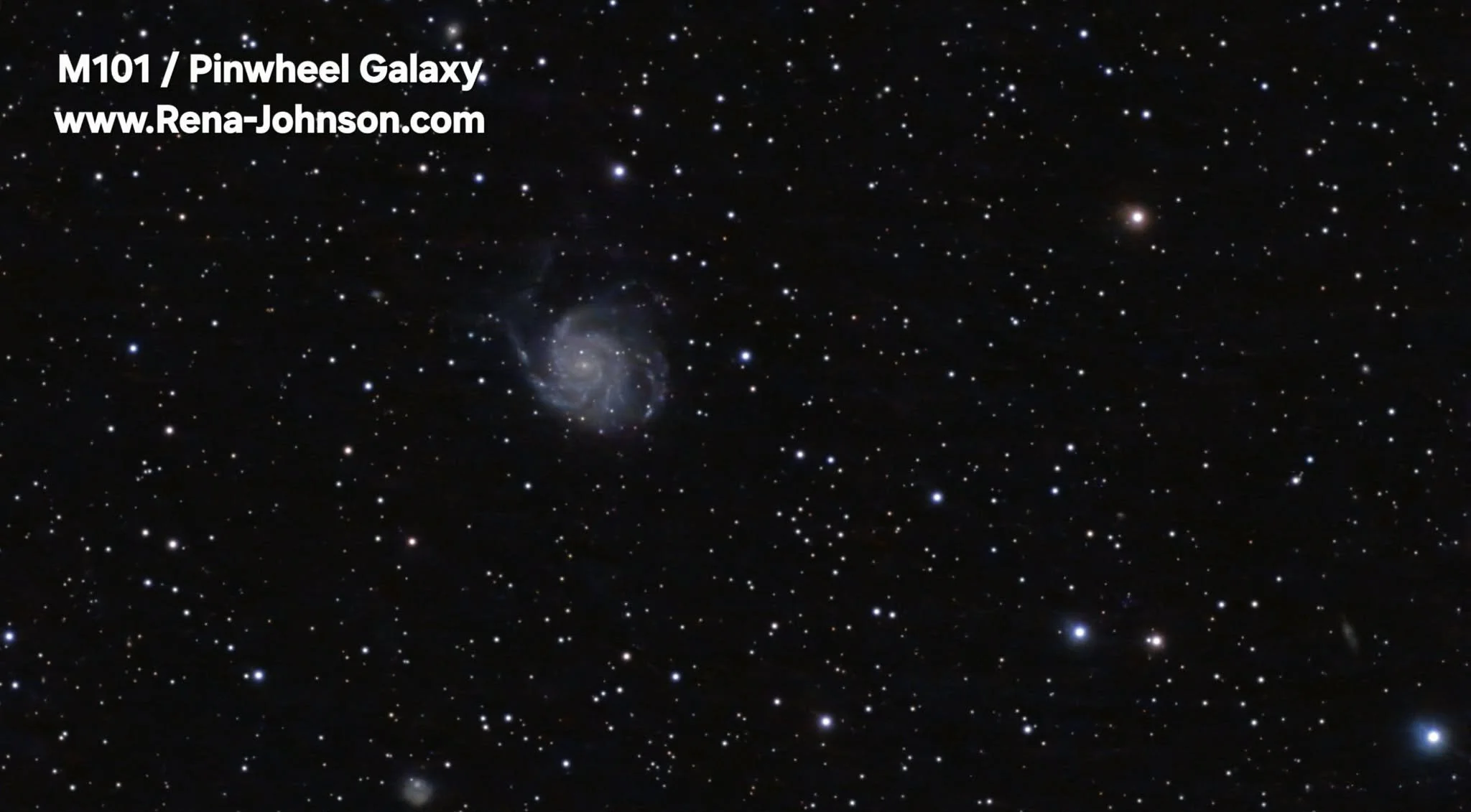
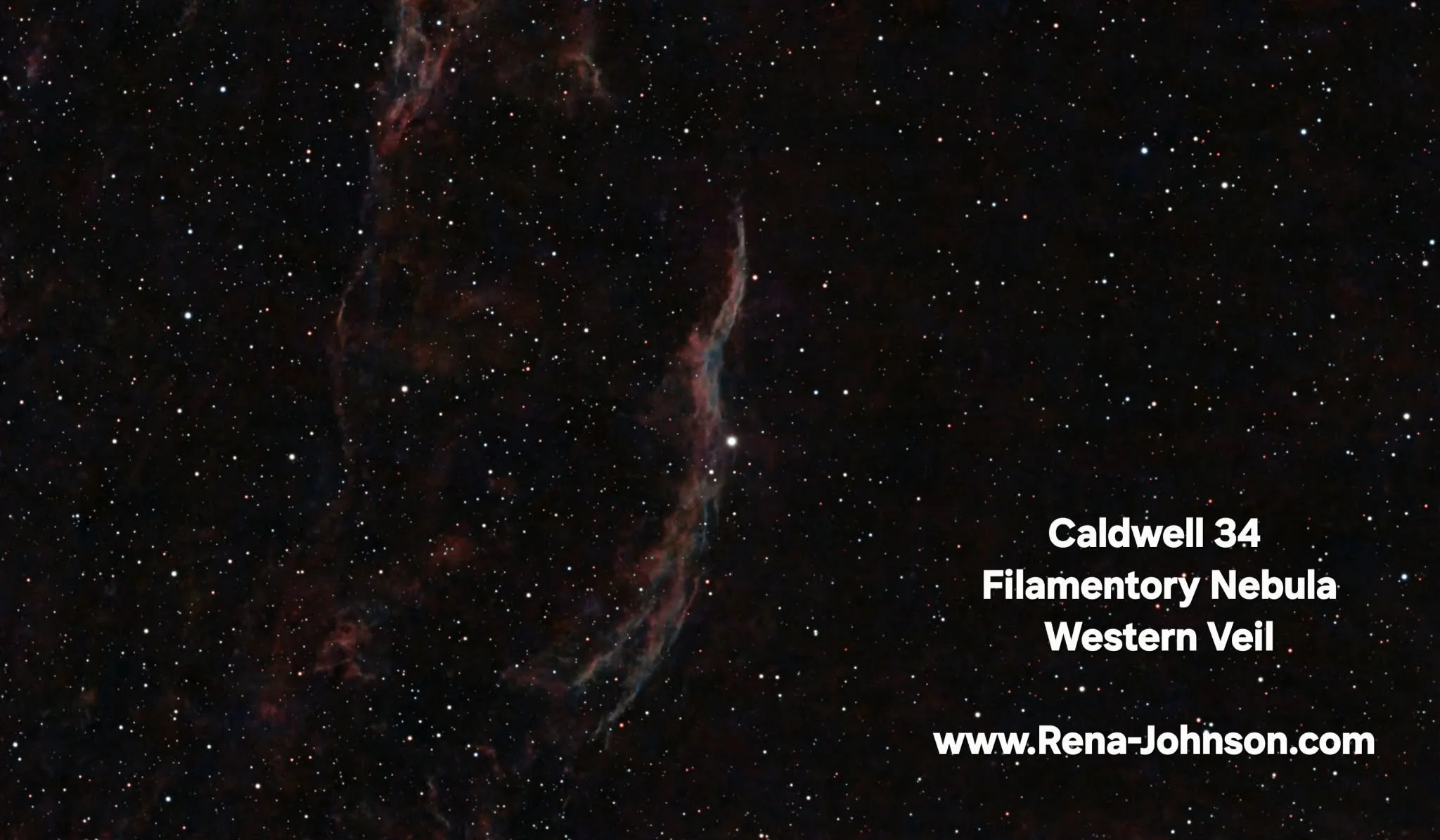
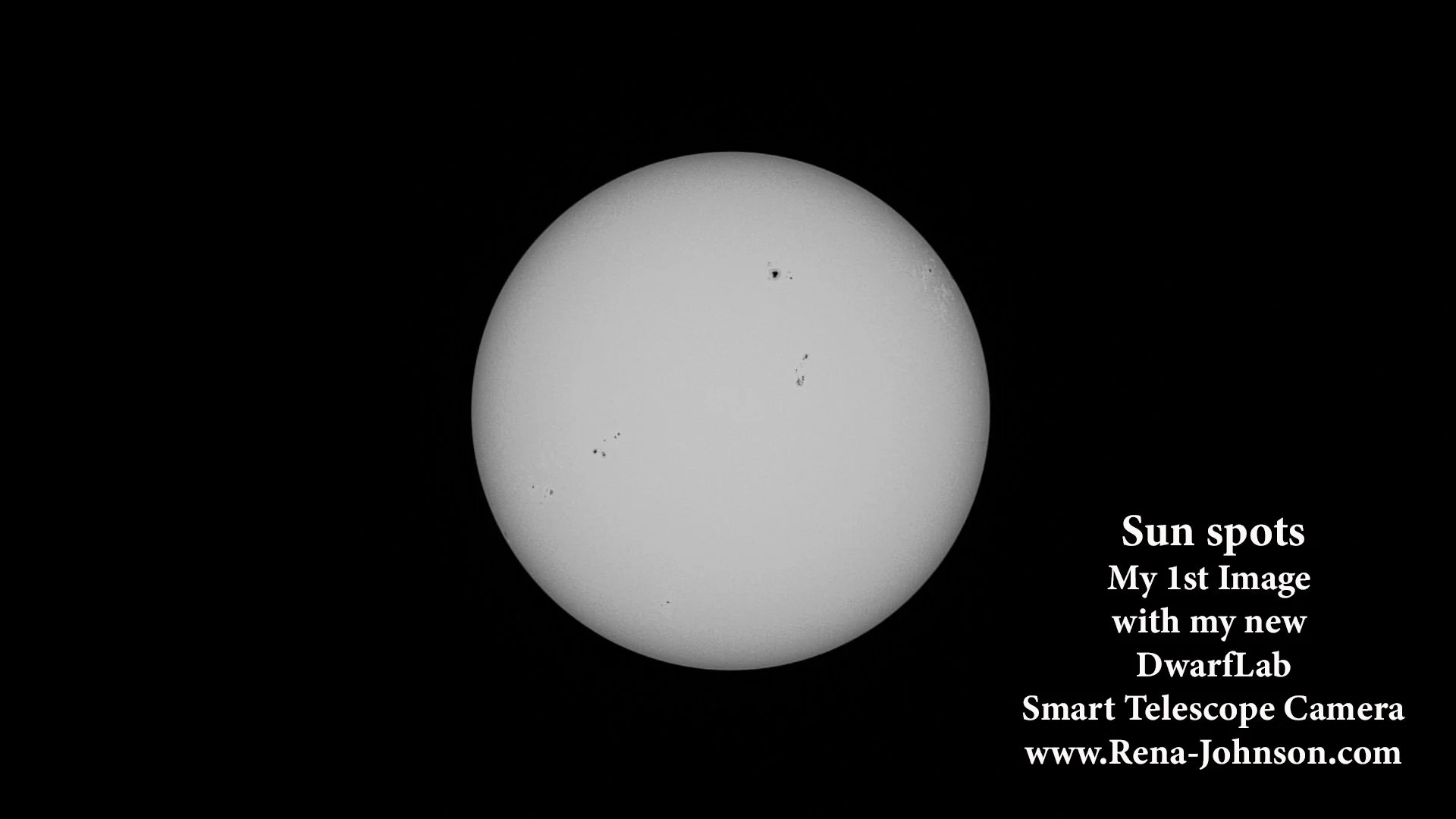
Night-sky photography has given me countless hours beneath the stars, watching landscapes transform as daylight disappears and an entirely different world emerges.
Photography allows us to capture some of that wonder, but more importantly, it reminds us that these places and these skies are still here.
They are worth seeing.
They are worth sharing.
And they are worth protecting.
It is very important that we continue to allow the true night time light (from the stars and beyond) to return.
Join the Conversation
Earth & Sky Restoration will continue to grow here through photography, practical resources, conversations, workshops and collaborations with people and organizations working to protect natural darkness and the wildlife that depends upon it.
We'll explore responsible outdoor lighting, nighttime pollinators, wildlife after dark, astrophotography, dark-sky conservation and practical changes that individuals and communities can make.
Because restoring the Earth shouldn't stop at the horizon.
Look up.
The night is part of nature, too. And there is always something interesting happening in the night sky if you just take time to look for it.